Three Gaming Audiences. One signal worth building for.
An AI matchmaking bot on Discord, backed by $25M, inside a 500M-user platform. The question wasn't which features to build. It was which audience's behavior to trust.
Every panel round fed directly into what shipped next. The bot wasn't just a product. It was a research instrument generating behavioral data every time someone used it.
A discovery, not a plan — surfaced from users after launch
🏆
01
Host Tournaments
What it does
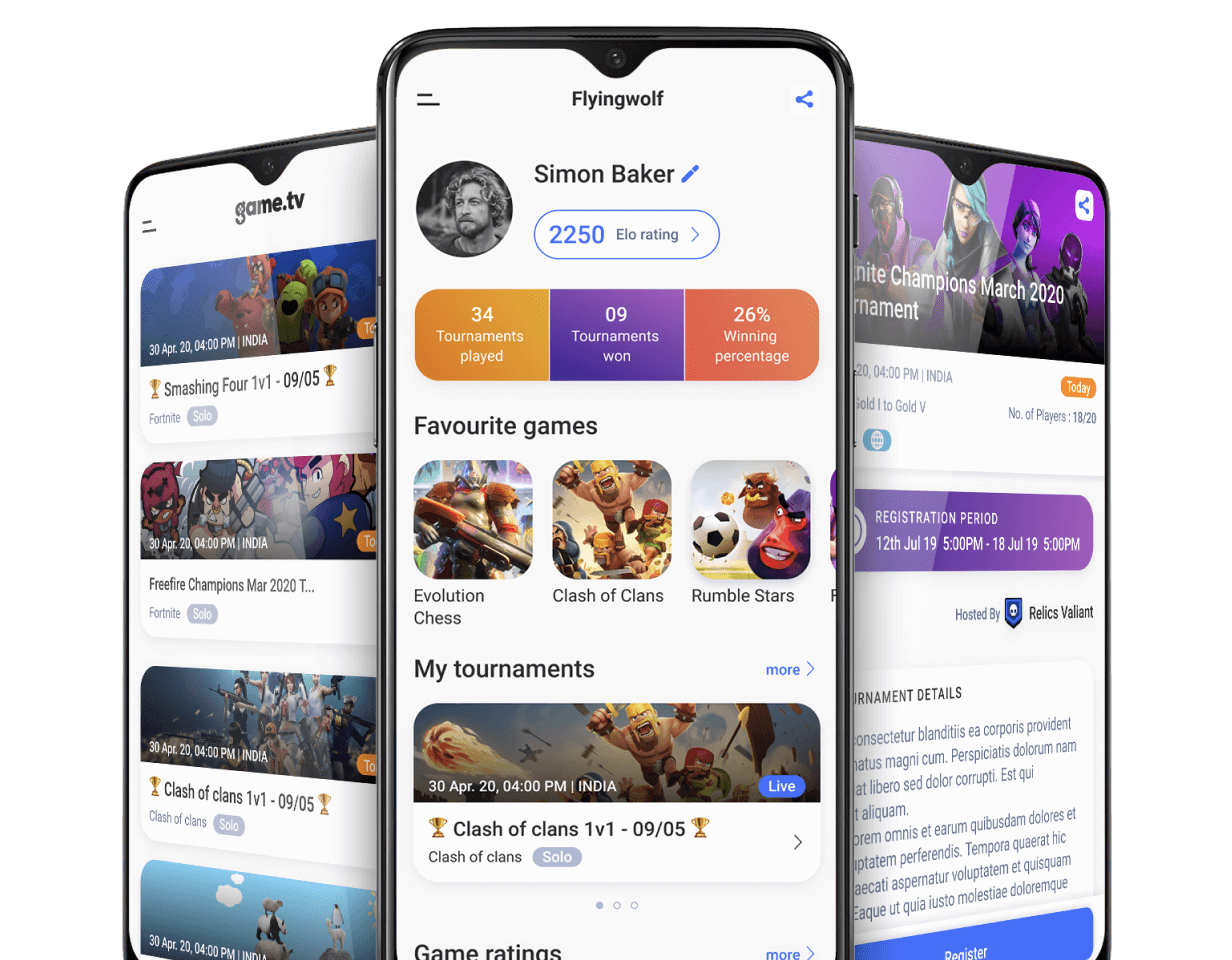
Create or join real-money and free-to-play tournaments across 300+ titles, matched in real time. A tournament went live every 60 seconds at peak.
How we got here
The original ask, validated across all three panels from day one. Nobody disagreed this was the core loop.
🔴
02
Create Live Stream
What it does
Go live with built-in editing, emoji reactions, and mini-games so fans stay engaged during a match, not just after it.
How we got here
Creators told us clip-sharing wasn't enough. Their audience was already showing up live for tournaments, and we built the stage where they already stood.
🎬
03
Upload Short Video
What it does
Post highlight clips, memes, and match moments to a dedicated feed inside the app.
How we got here
Surfaced from behavioral data: players were screen-recording wins and sharing them off-platform. We brought that habit in-house instead of losing it.
💬
04
Chat With Fans
What it does
Dedicated chat rooms and live calls: jokes, memes, strategy talk, all without leaving the app.
How we got here
One-on-one conversations kept surfacing the same want: a place to talk to fans that wasn't buried in a separate Discord server.
🎟️
05
Monetize With Fan Pass
What it does
Daily, weekly, or monthly fan subscriptions unlocking exclusive tournaments, badges, and perks, sold directly to a creator's followers.
How we got here
The clearest signal of all: players were already asking how to make money from the audience they'd built. This answered it directly.
04In Hindsight
Stated preference isn't signal. Behavior is.
Most intelligence candidates run the panels, write the findings, hand over the deck.
I stayed in the loop until the intelligence changed what actually shipped, then stayed long enough to catch a second signal nobody asked about. The creator-monetization evolution wasn't in any panel's feedback. It came from watching what users did after we gave them tournaments.
I don't hand off intelligence and walk away. I stay in the loop until it actually changes what ships.
The honest gap
When I overrode Panel 2's signal, I couldn't quantify how wrong it was. I couldn't say "this panel predicts 15% of retention variance vs 60% from Panel 3." I just knew from pattern-matching. That works when you're close to the product. It doesn't scale to 13 markets with a Director of Research asking you to show your work. That's the gap, and it's the specific reason a structured intelligence function exists.